Foiled Sabotage in Poland: Russian Intelligence Planned High-Casualty 'False Flag' Operation
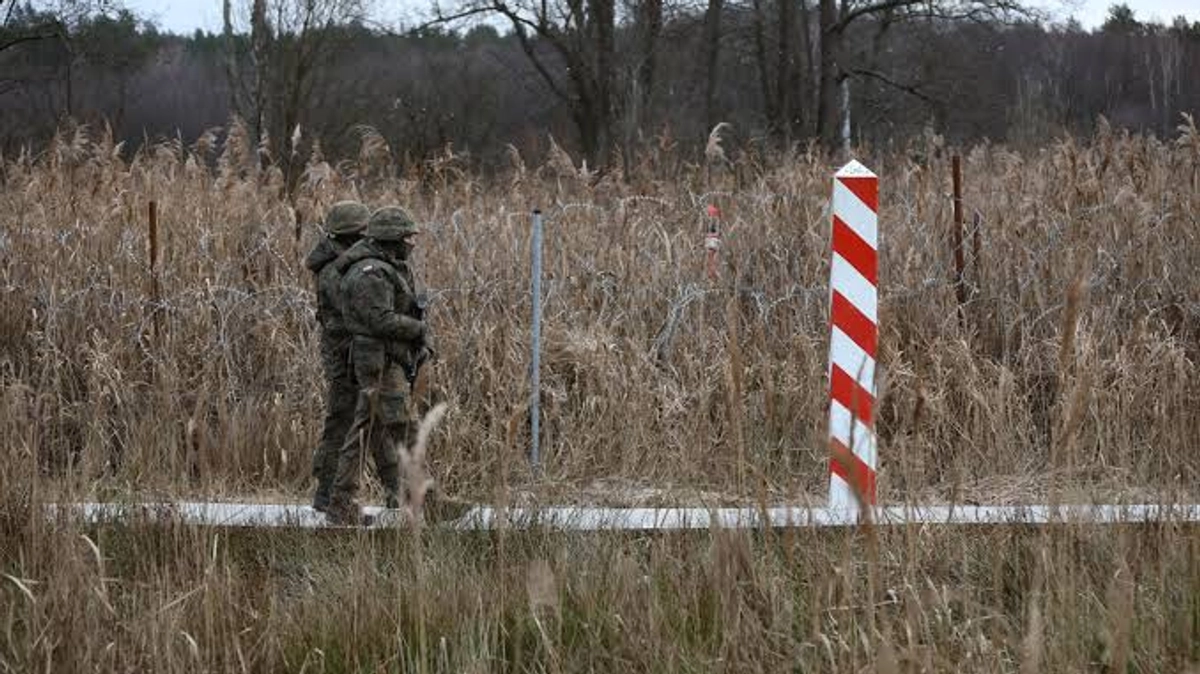
Polish security services intercepted a Russian plot to carry out a major attack near the Kaliningrad border and frame Ukraine to halt international military aid.
 🚨Events
Photo: Ukrainska Pravda
Key points
- Russia planned a high-casualty attack on the Polish border.
- The goal was to frame Ukraine and block international military support.
- Polish services reinforced the border and conducted special forces drills.
Polish security services, in cooperation with international partners, have thwarted a large-scale sabotage operation planned by Russian intelligence for late October and early November. According to intelligence reports, the attack aimed to cause significant casualties on Polish soil. A key element of the plot was to discredit Ukraine: perpetrators were expected to leave evidence of a "Ukrainian trail" to provoke a cessation of Western aid to Kyiv.
The operation was being prepared in areas bordering Russia's Kaliningrad region. Sources within the Polish security apparatus compare the scheme to the 1939 "Gleiwitz provocation," where Nazi Germany staged an attack on a radio station to justify invading Poland. In the modern scenario, it was anticipated that saboteurs crossing the border would be killed or detained with forged documents or insignia linking them to Ukrainian security forces.
Security Measures and Operational Response
Warnings about the planned provocation came from partner intelligence agencies and were subsequently confirmed by Polish intelligence analysts. Following the appearance of Russian intelligence officers coordinating such operations near the border, Warsaw took decisive action. Additional police units from other regions were urgently deployed to border stations, and the presence of the Internal Security Agency (ABW) and the Border Guard was significantly increased.
In the Warmian-Masurian Voivodeship, unscheduled exercises for Territorial Defense Forces and special operations units were organized. According to Polish government officials, these steps were intended not only as a deterrent but also to enable preemptive action if the sabotage entered its active phase. "We had information about specific objects where the attack was to occur," one official noted, emphasizing the severity of the threat.
Tomasz Siemoniak, Poland's Minister-Coordinator of Special Services, confirmed that the threat was assessed as highly credible. While officials avoid detailing specific targets, the scale of the security response suggests the potential for a major tragedy. Siemoniak stressed that while Poland does not share all sensitive information for security reasons, the measures taken by the authorities were proportionate to the level of danger.
Source Ukrainska Pravda — pravda.com.ua/news/2026/11/18/8063407/ ↗
Read next
 🎭Culture & Sport
Europe to Ban Sale of Shampoos with Microplastics
From October 17, 2027, the EU will ban the sale of certain cosmetic products containing microplastics. This includes shampoos, body washes, and other products that are ri…
 🎭Culture & Sport
The Gold of SS Central America: A Shipwreck That Impacted the Economy and a Treasure Hunter's Life
The sinking of the SS Central America in 1857 remains a blend of a major maritime tragedy and a complex legal saga surrounding lost treasure.
 🏛️Politics
US and Venezuela Agree to Strengthen Defense Cooperation
US Secretary of Defense Pete Hegseth announced the start of a military partnership with Venezuela during a visit to the country.
 🏛️Politics
Germany prepares 'financial shield' for Ukraine against political shifts in the EU
Berlin is developing a budgetary reserve mechanism to ensure continued funding for Ukraine, even if the political landscape within EU member states changes.
 🚌Transport
Ukrzaliznytsia to update systems: ticket sales temporarily suspended
On the night of November 19, the railway operator will conduct technical maintenance, limiting access to ticket purchasing and refund services.
 🩺Health
The impact of daily oatmeal consumption: expert insights
Nutritionists explain how regular oatmeal consumption affects heart health, blood sugar levels, and digestive function.