How to affectionately address a son in Ukrainian: traditional and tender options
Language experts highlight the variety of warm and affectionate forms to address sons in Ukrainian on the occasion of International Son's Day.
 👥Society
Photo: TSN
Key points
- International Son's Day is celebrated on November 22.
- Common forms include synku, synochku, synok.
- Figurative terms feature sokole, kozache, serdenko.
The Ukrainian language offers a rich variety of warm words and affectionate forms that parents can use to express their love and care for their sons. On the occasion of International Son's Day, celebrated on November 22, experts advise paying attention not only to everyday common words but also to traditional folk options that convey a special bond with the child.
Traditional forms derived from the word 'son'
The most common and natural address remains 'synku', which is appropriate regardless of whether the boy is a toddler or an adult man. In addition, dictionaries and conversational practice record forms such as 'synochku', 'synonyku', and 'synok'. Researchers also note that the colloquial word 'synulia' is documented in Ukrainian dictionaries, although some mistakenly consider it solely a borrowing.
Figurative and folk forms of address
Beyond derivatives of the noun 'son', Ukrainian tradition provides numerous figurative terms. These include 'sonechko' (little sun), 'serdenko' (little heart), 'zolotko' (little gold), as well as traditional terms like 'sokole' (falcon). For boys, the playful yet proud 'kozache' (little Cossack) is often used, while 'ptashenyatko' (little bird) is used for toddlers. The key requirement remains the correct use of the vocative case, such as 'synku', 'kozache', or 'sokole'.
Source TSN — tsn.ua/other/sonechko-chy-kozache-iak-lahidno-zvertatysia-do-syna-ukray… ↗
Read next
 💡Tech
Fragments of latest Russian X-101 missiles discovered in Poland
Remnants of cruise missiles manufactured in late 2026 have been found in eastern Poland. The incident has prompted an emergency meeting of the NATO North Atlantic Council…
 🛡️Security
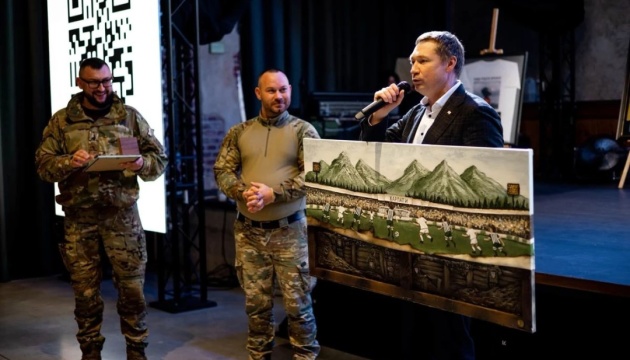
Charity auction in Lviv region raises UAH 60 million to support Ukrainian defenders
A charity event in the Lviv region brought together communities and businesses to raise significant funds for drones and veteran rehabilitation.
 🏛️Politics
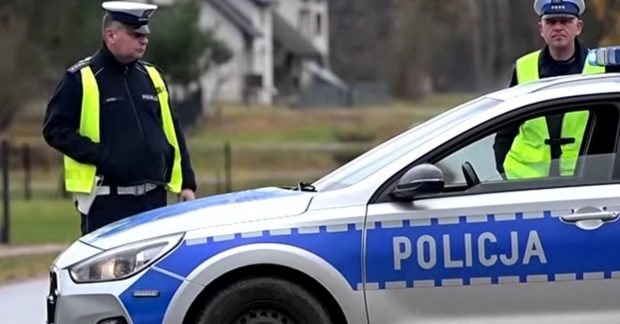
Russian Missiles and Drones Violate Polish Airspace: Warsaw Responds
Polish authorities have labeled the intrusion of Russian missiles and a drone into their airspace during a night attack on Ukraine as a deliberate provocation.
 💡Tech
Nighttime UAV Attack: New Challenges for Air Defense and Interception Technologies
On the night of November 23, Ukraine faced a massive enemy drone attack, characterized by the deployment of new jet-powered UAVs.
 🏙️City
How to prepare windows for winter: a Scandinavian method to fight drafts
As temperatures drop, Chernivtsi residents are looking for ways to keep their homes warm. A simple Scandinavian hack using plastic wrap can help minimize heat loss withou…
 🇺🇦Ukraine
Polish investigators identify origin of missiles that violated the country's airspace
The Polish Prosecutor's Office confirmed that three Russian X-101 cruise missiles that entered the country's territory were manufactured in late 2026.